Where the Light Wanders / Where Silence Breaks
Caroline Ashley Réka Ritt Laklia
Lesley Bunch Mariam Menteshashvili
Tereza Červeňová Charlotte C Mortensson
Sonja Kresojevic
11th June - 11th July 2026
Where the Light Wanders
Light is the essential component of photography. As light enters the lens, a moment is frozen in time, never to be repeated. We carry our memories in images, and history is recorded through the lens. From the mundane to the extraordinary, photographs capture moments that carry different meanings for both taker and viewer. And in between those meanings lies something yet to be discovered.
Where the Light Wanders brings together the work of Tereza Červeňová, Mariam Menteshashvili, and Charlotte C Mortensson, collectively exploring the photographic image as a site of presence and transformation. Across three distinct bodies of work, each artist engages with the relationship between figure and environment, tracing how identity is shaped through movement, memory, and place.
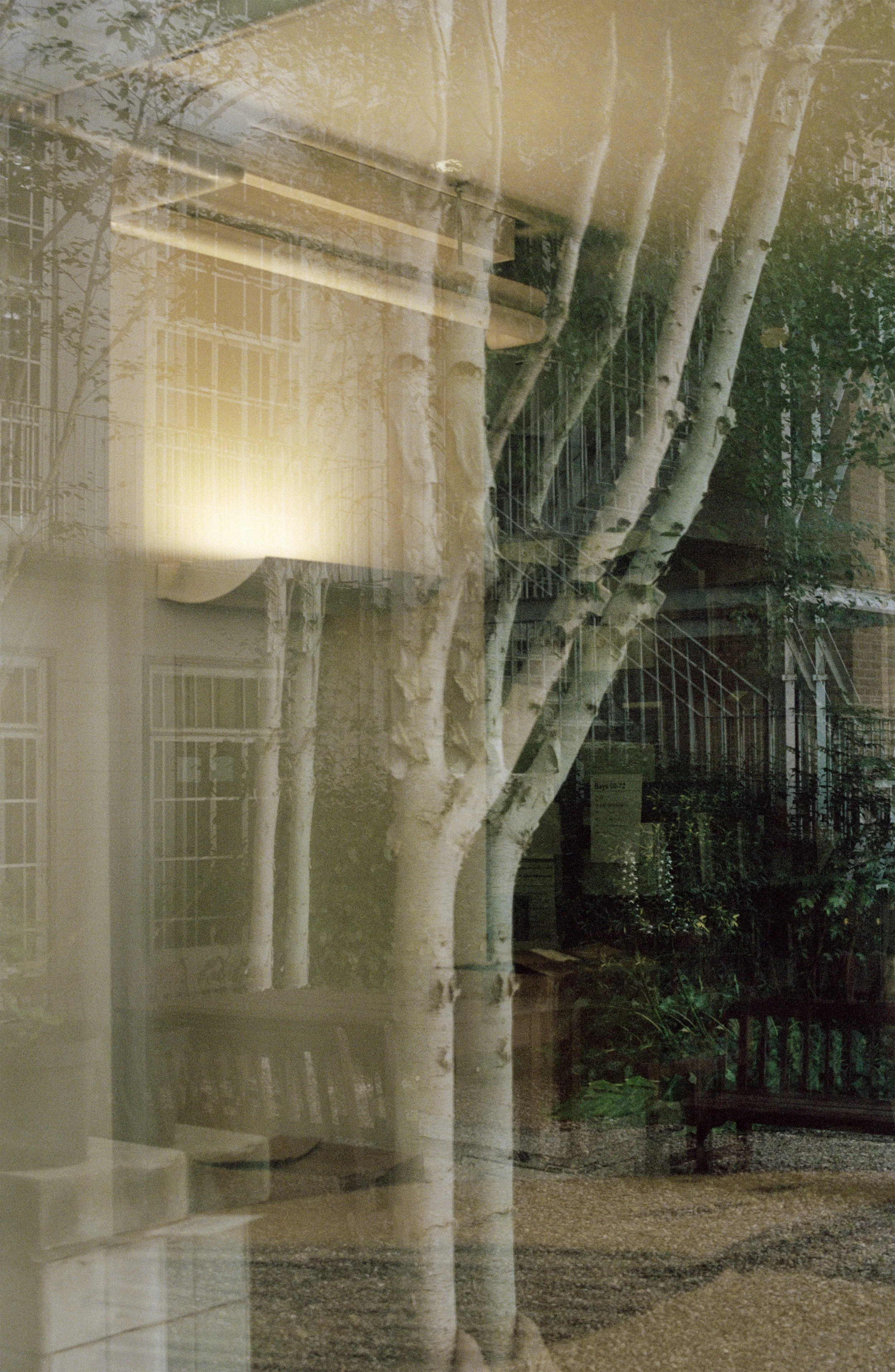
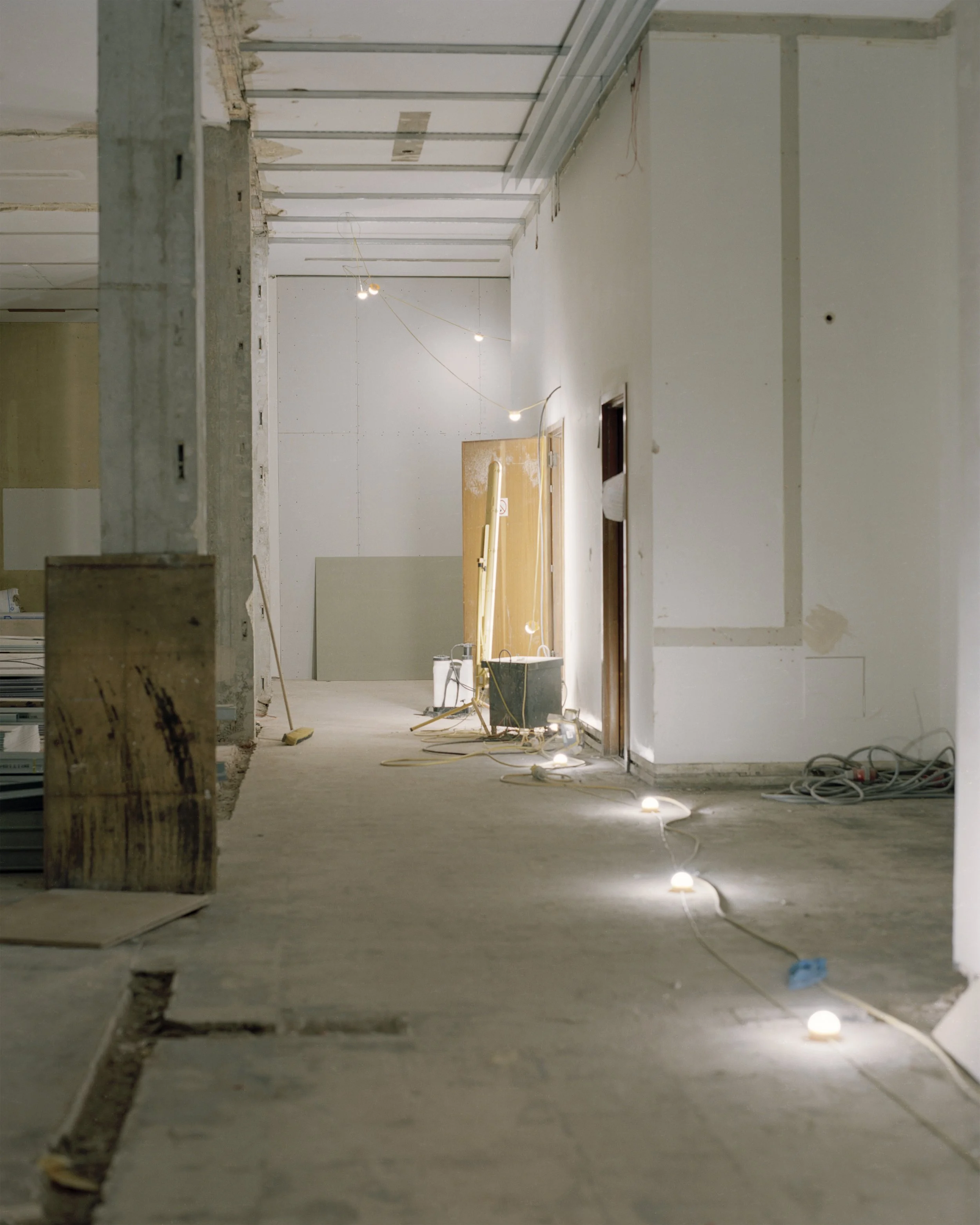
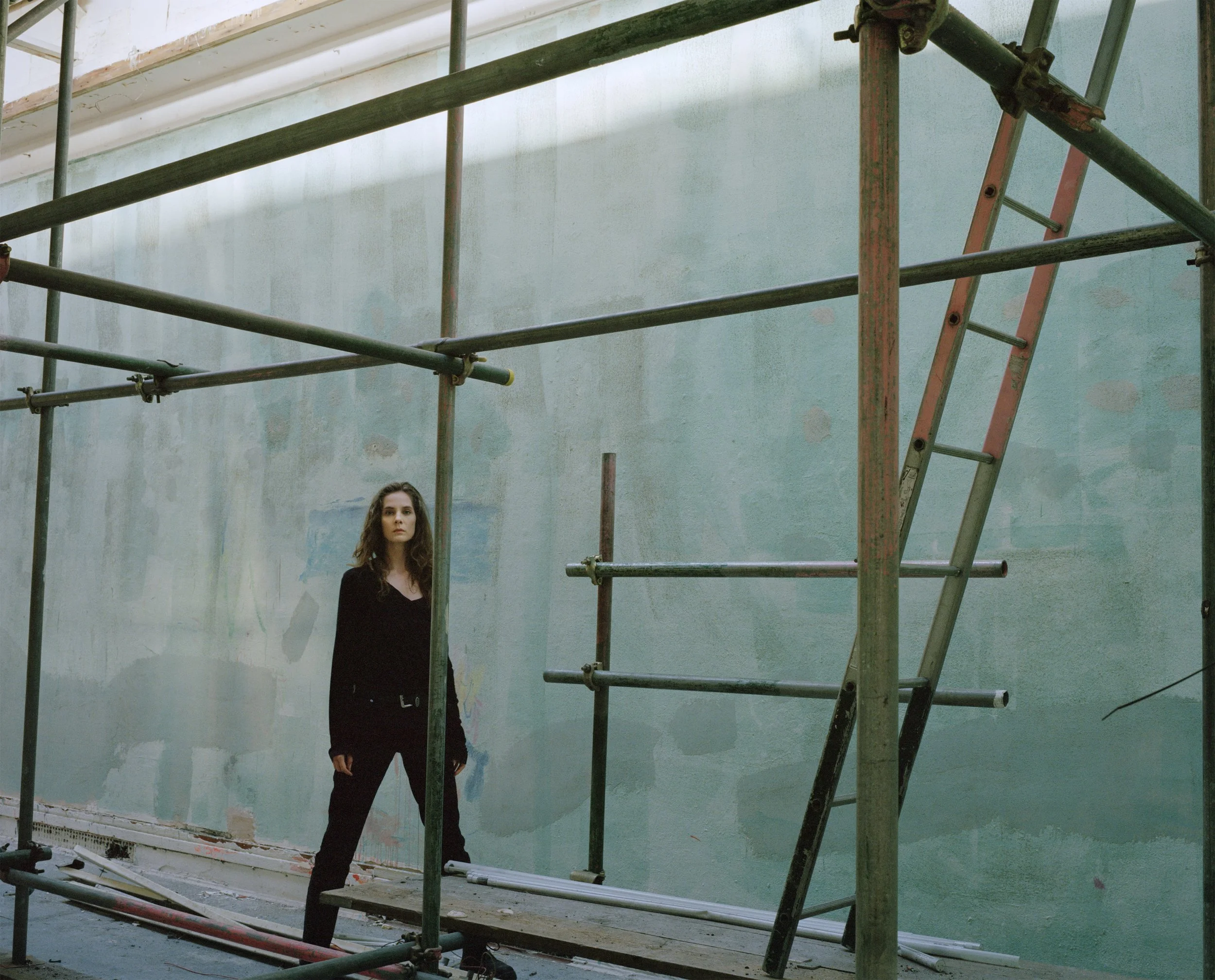
In Nymph, Červeňová navigates the shifting architecture of London’s Warburg Institute, inserting the female body into a space historically defined by structures of knowledge and power. The work moves between documentary and performance, foregrounding questions of visibility, belonging and the politics of occupying space.
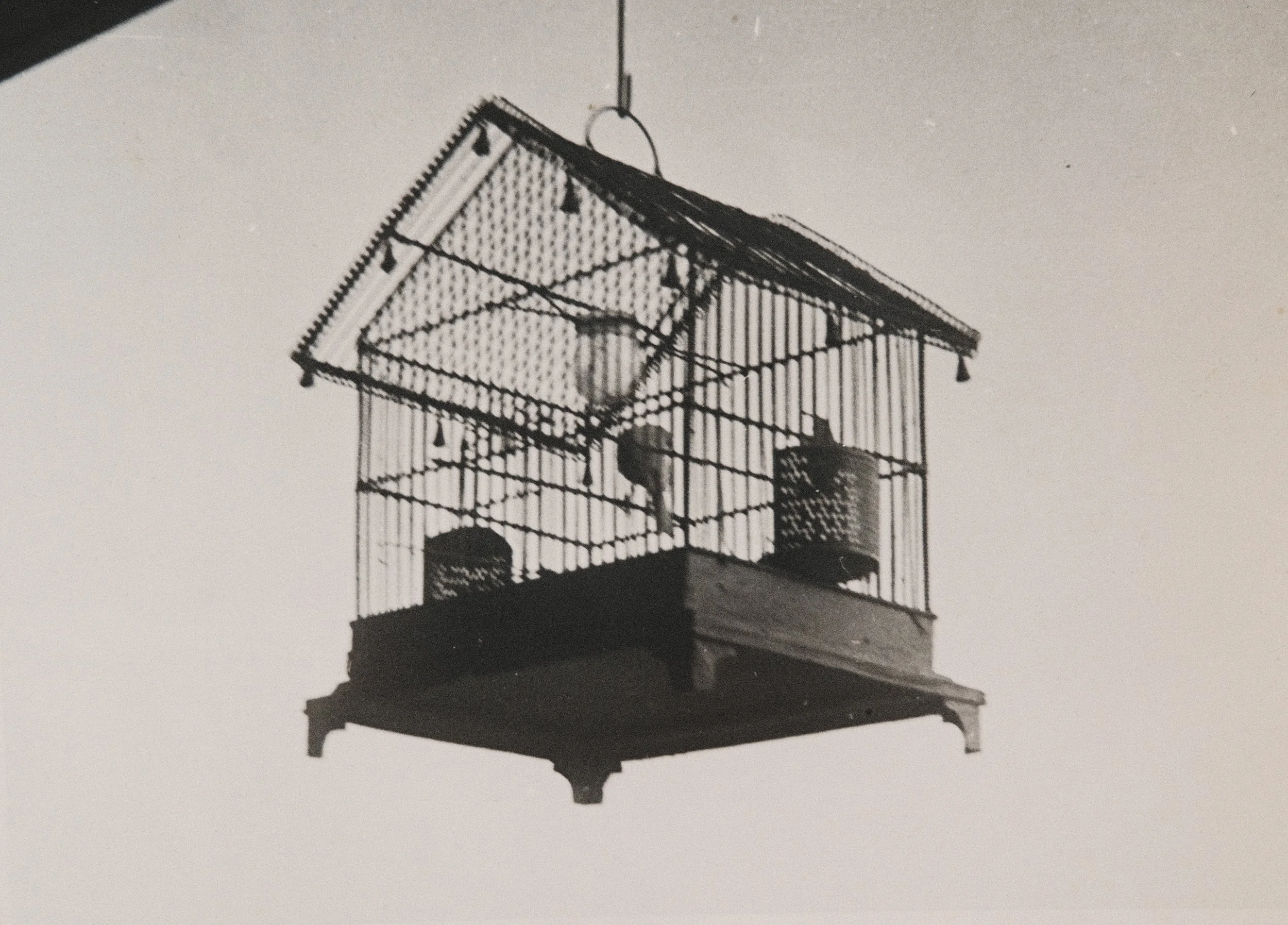
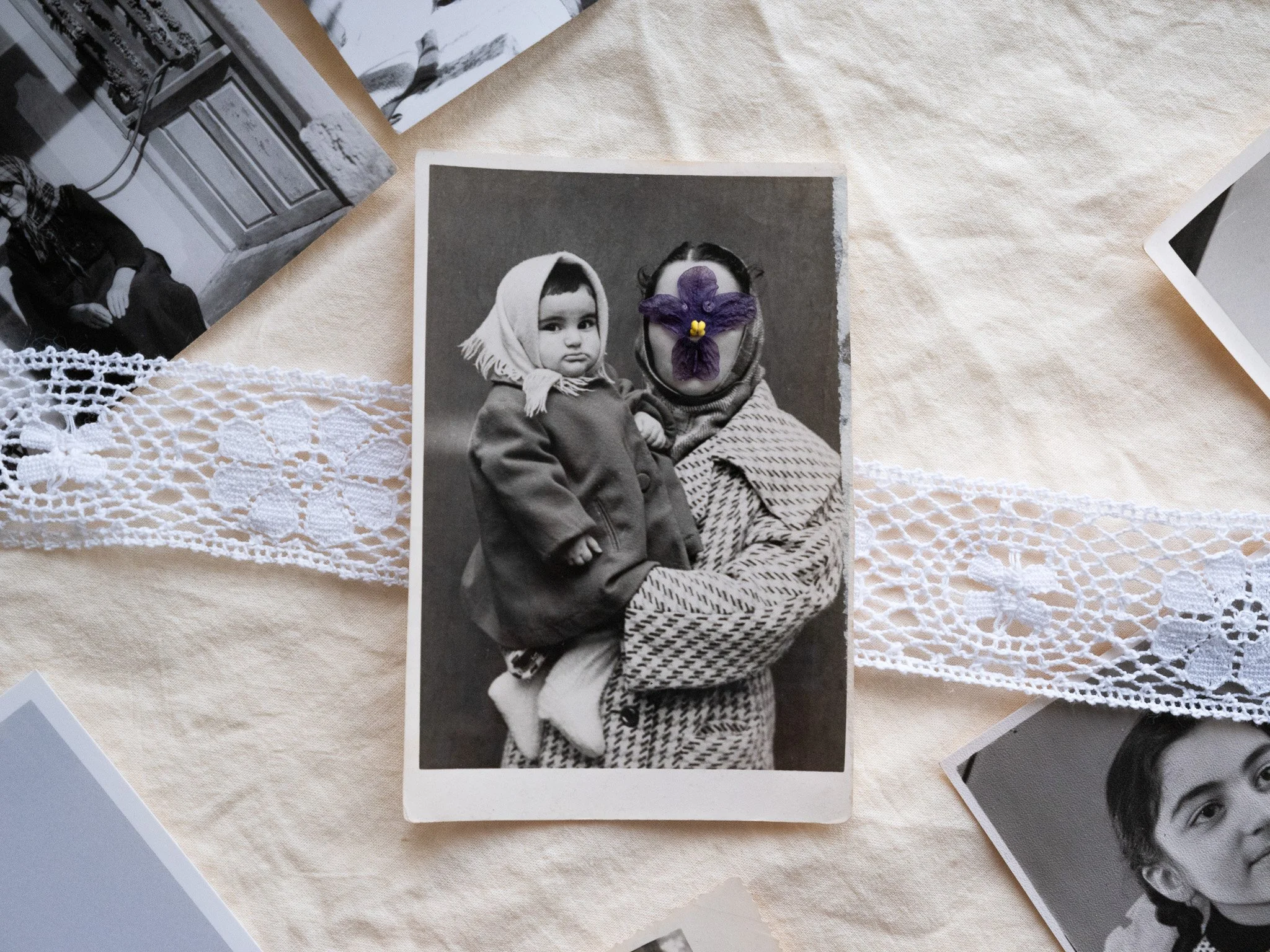
Menteshashvili’s practice similarly draws on the tension between intimacy and distance, constructing images that feel at once staged and spontaneous. Her work combines images made in London, where she has lived, with materials drawn from her family archive in Sighnaghi, a town in eastern Georgia whose name derives from a Turkic word meaning “shelter”.
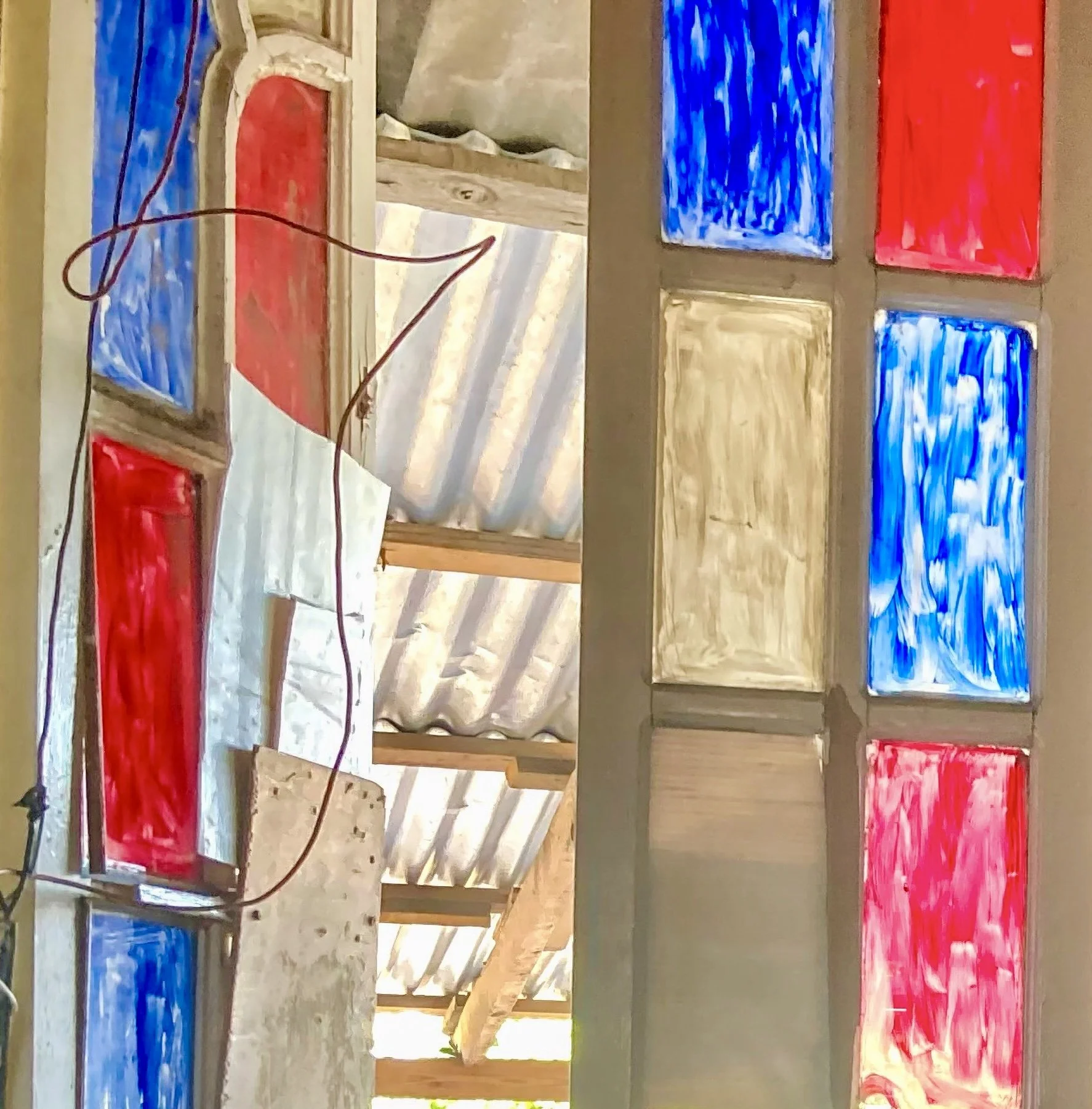
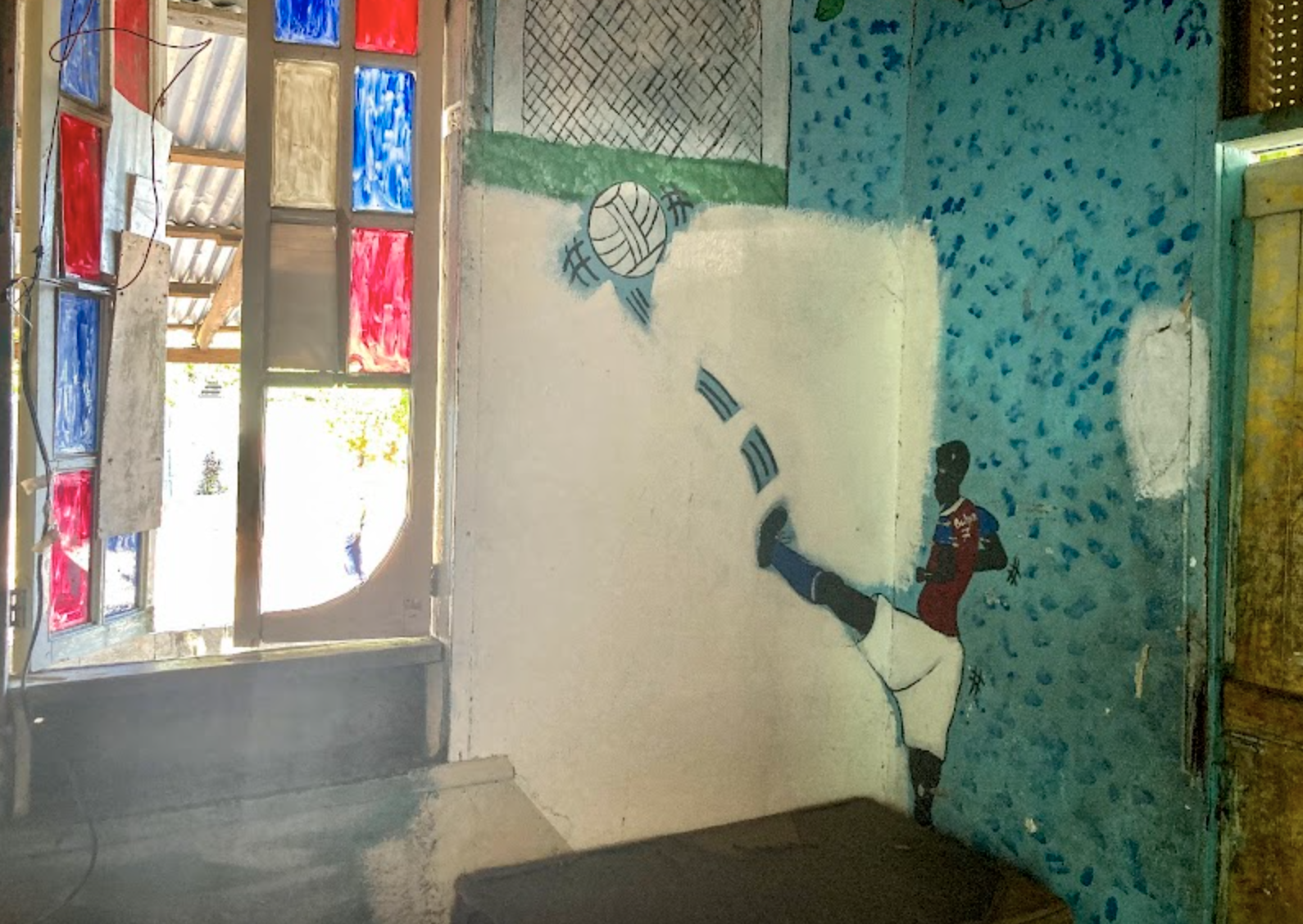
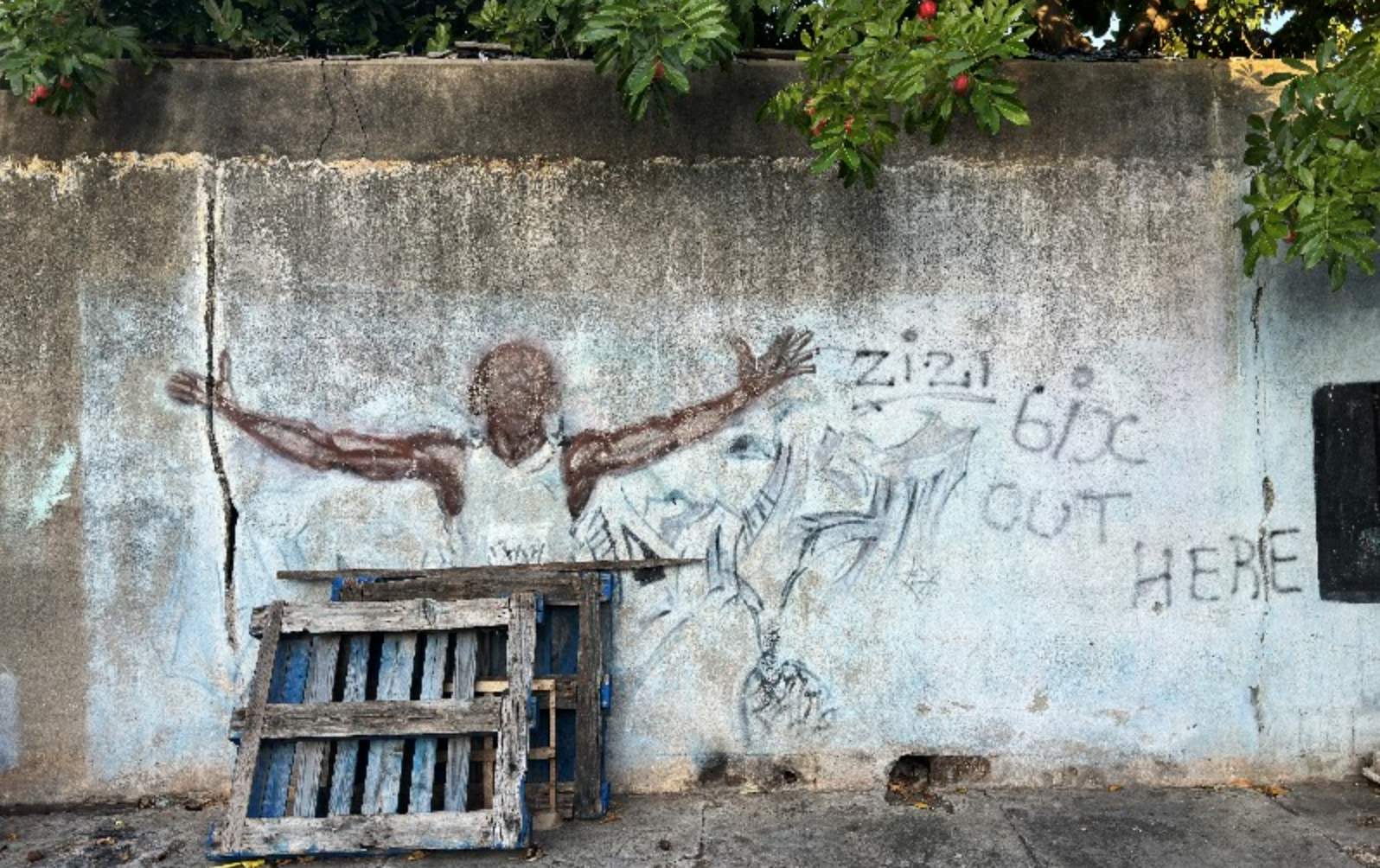
Mortensson’s photographs of Trench Town’s murals turn toward landscape and lived environment, capturing sites embedded with social and historical resonance. Her images hold a sense of stillness that belies the weight of their context, inviting sustained attention to texture, form and the traces of human presence.
Together, these works articulate a shared sensitivity to the photographic moment as both constructed and transient. The exhibition unfolds as a dialogue between bodies and spaces, where images become a means of mapping personal and collective histories, fragile and in flux.
Where Silence Breaks
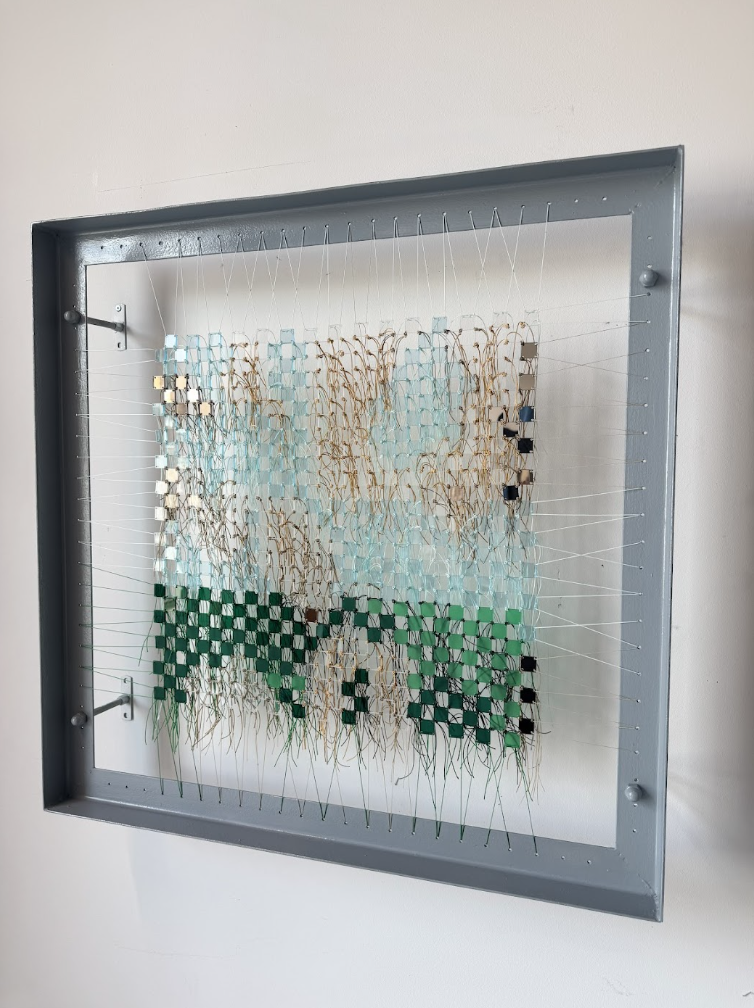
Where Silence Breaks is an exhibition that embodies this dialogue between bodies and spaces, inviting viewers to reconsider the nature of the two-dimensional plane. The works of Caroline Ashley, Lesley Bunch, Sonja Kresojevic, and Réka Ritt Laklia revel in their physicality, presenting volume, reflection, fluidity, and alchemy.
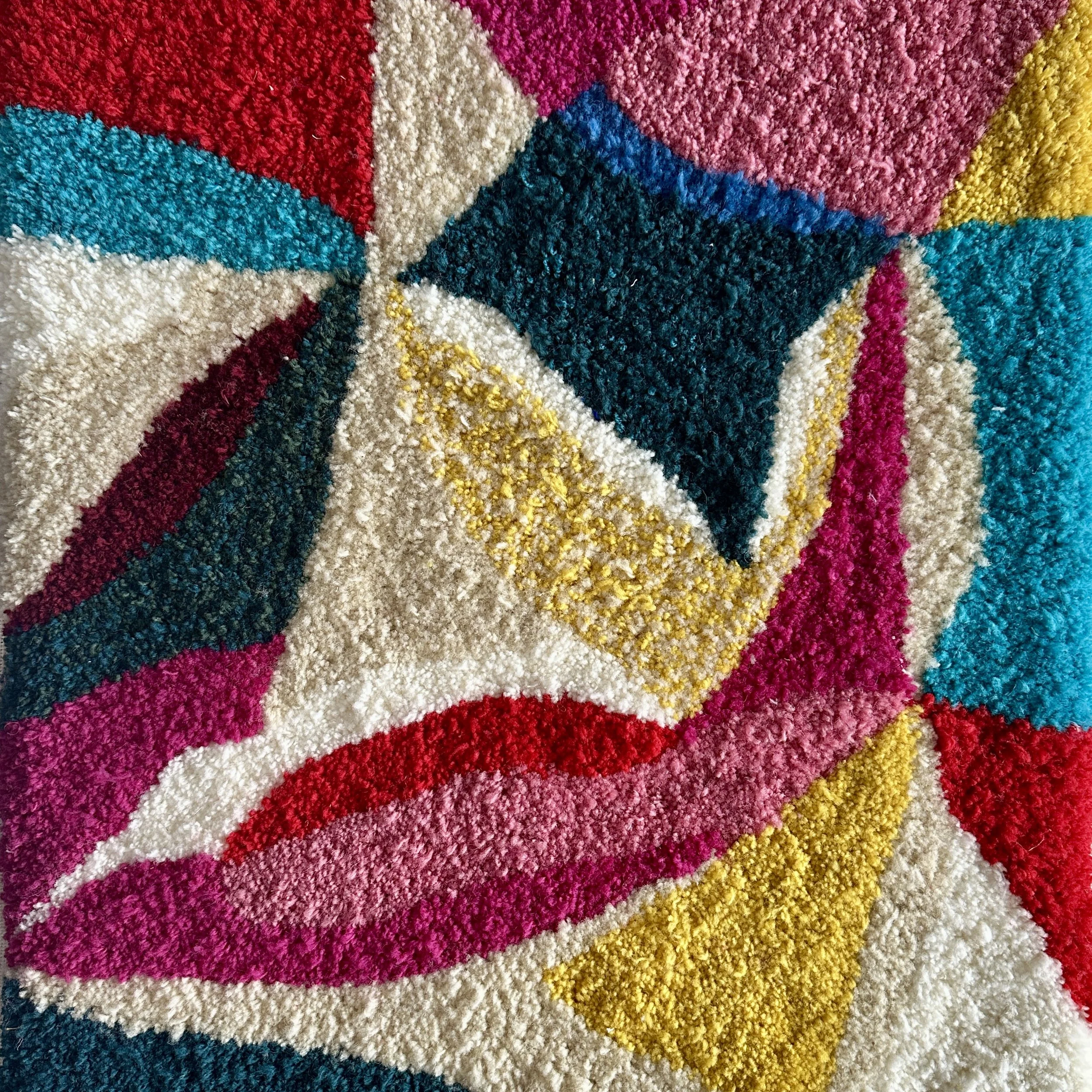
Born in former Yugoslavia and shaped by more than three decades of nomadic living, Kresojevic's practice emerges from an ongoing inquiry into identity, belonging, and memory. Working across visual and textile art, installation, writing, and embodied practices, she creates immersive and relational works that explore how stories, memories, and lived experiences can be woven into new shared realities.
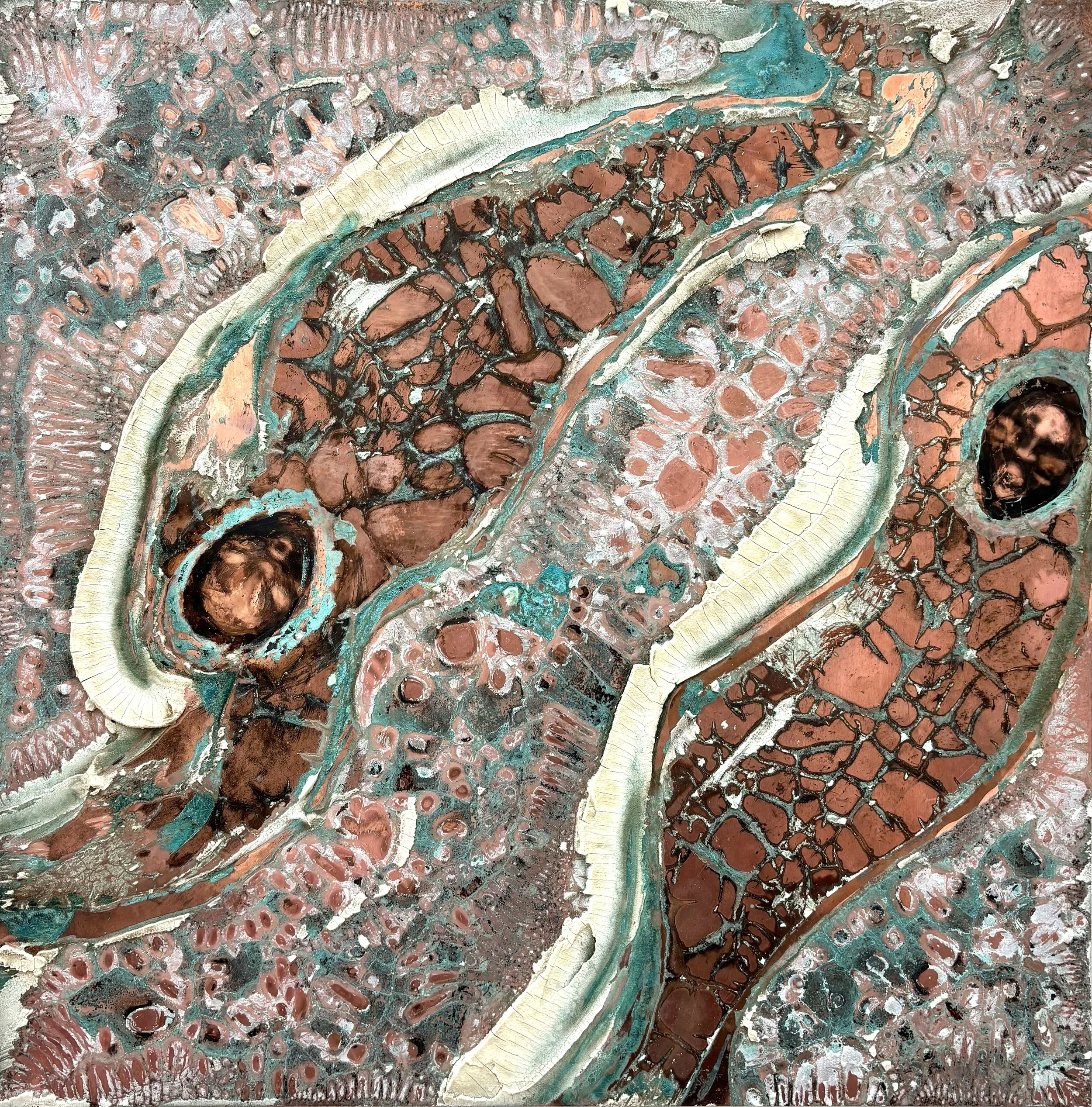
Ritt instils her work with folkloric elements of her Hungarian cultural heritage, built from materials and craft traditions gathered throughout her life journey. Copper is a consistent base material in her work; it is a conductor, recalling memories of her father’s workshop, and a medium for dialogue between inheritance and transformation.
Born from repetition, pattern, and hand-driven processes, Ashley works with industrial materials such as steel and acrylic into cloth-like forms with an ethereal quality. Reflections and refractions encourage viewers to engage in spatial play and become lost in multiple perspectives simultaneously.
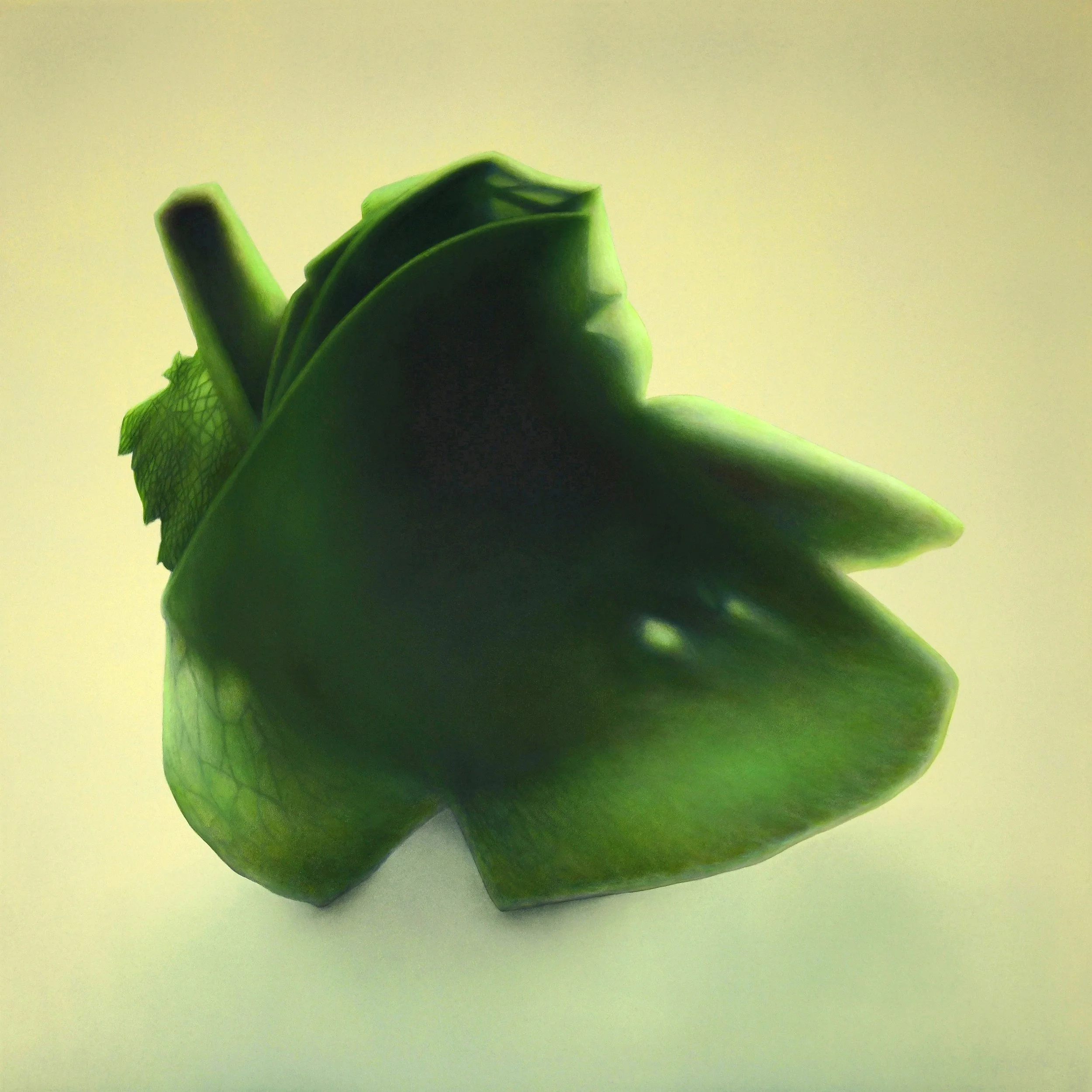
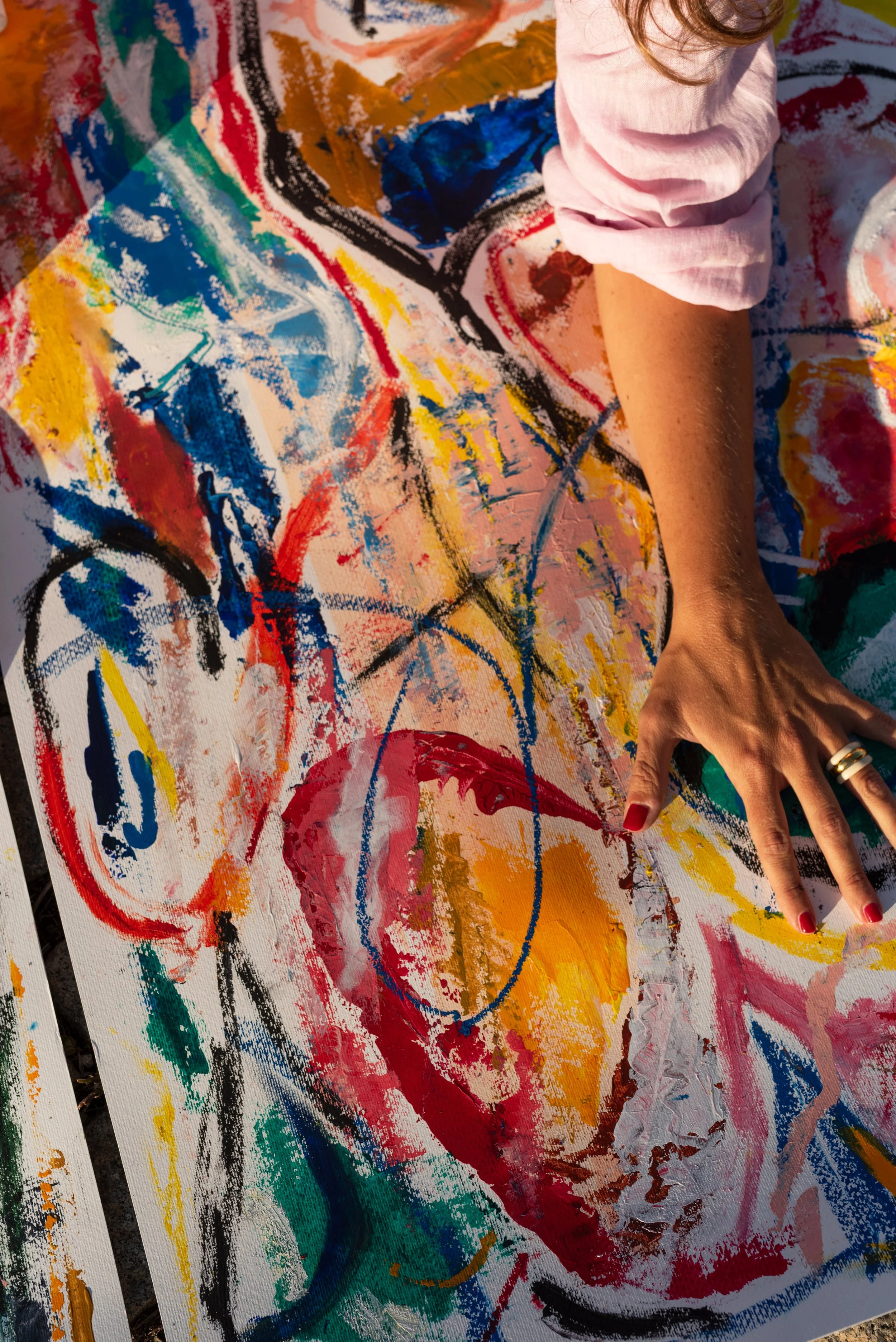
Bunch’s Shadow Sculpture series is based on stories surrounding borrowed objects that have been imbued by their lenders with identity and attachment. Bunch interprets shared stories by composing shadows, which are then reinterpreted through paint. Sculpted with colour applied in flat, transparent layers, there is a point at which each painting takes on a life of its own. Although a manifestation of her exchange with the lender, each shadow becomes a detached, autonomous entity, no longer anchored to its casting object.
The work in this exhibition is therefore shaped as much by absence as by each work’s physical presence. By what is revealed, what is withheld, by form and by silence. These works possess a materiality that defies the limitations of the space and time in which they are encountered, yet they also hold a quietness that resists resolution. They are works to be experienced, not merely observed.